


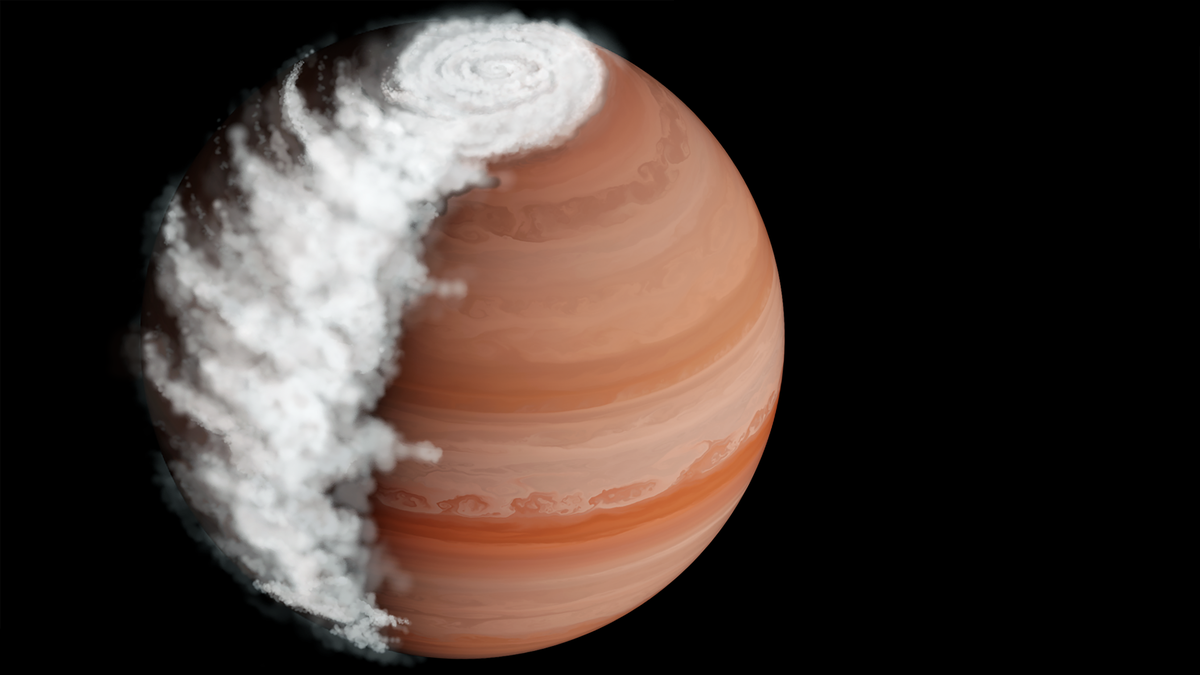
Webb Telescope Unveils Weather Patterns on Distant Exoplanet 700 Lightyears Away
By [Your Name] | [Publication Date]
The James Webb Space Telescope has once again pushed the boundaries of astronomical discovery by observing the weather conditions on a distant exoplanet located 700 lightyears from Earth. This groundbreaking observation marks a significant milestone in our quest to understand the complexities of alien worlds.
Key Highlights:
- Exoplanet Details: The observed exoplanet, known as [Exoplanet Name], is situated in the [Star System Name] star system.
- Weather Phenomena: The telescope detected intriguing weather patterns, including swirling storm systems and potential cloud formations.
- Scientific Significance: These observations provide valuable insights into atmospheric conditions beyond our solar system, aiding in the study of climate and habitability on other planets.
The Webb Telescope's advanced capabilities allow it to capture detailed images and data that shed light on the dynamic weather processes occurring on distant planets. This latest discovery not only enhances our understanding of exoplanetary atmospheres but also opens new avenues for research in the field of astronomy and planetary science.
Scientists involved in the study emphasize the importance of continued observation and analysis to determine how these weather patterns compare to those on Earth and other known celestial bodies. Future missions and advancements in telescope technology are expected to build upon these findings, offering deeper insights into the universe's diverse planetary systems.
Stay tuned for more updates as the James Webb Space Telescope continues to uncover the mysteries of the cosmos, one exoplanet at a time.










 Continue With Google
Comments (0)